FOREST & FUTURE

HOW, WHY, WHEN?
The problem began intensifying in the 1970s–1980s, when rapid urbanization and industrialization accelerated across the Philippines. During this period, forests were extensively cleared for infrastructure, housing, and commercial development, significantly reducing the country’s carbon sequestration capacity. At the same time, the growing building sector increased energy demand for cooling, lighting, and appliances, much of which relied on fossil-fuel-based electricity, raising CO₂ emissions. This occurred because national development strategies prioritized economic growth and construction over environmental protection, reinforced by weak land-use planning and forest governance. As a result, expanding urban development both increased carbon emissions and reduced forest cover, creating a negative feedback loop that intensified environmental degradation.

CHART


DESCRIPTION AND INTERPRETATION OF THE DATA USED



ENVIROMENTAL PROBLEMS
& ISSUES INDENTIFIED


-
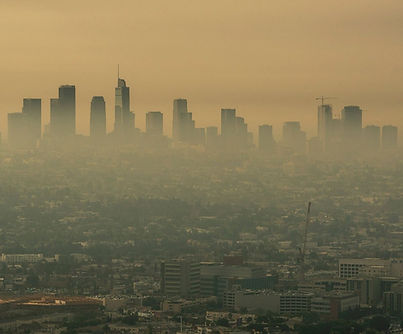
Increasing CO₂ emissions from the building sector contribute to climate change and raise the risk of extreme weather events in the Philippines.
-
Reduced and insufficient forest land area limits the country’s ability to absorb carbon emissions.
-
Rise in carbon emissions and weakened natural carbon sinks.
CONCLUSION

In conclusion, the data from 2000 to 2023 demonstrate a moderate positive relationship between carbon dioxide emissions from building energy use and changes in forest land area in the Philippines. While some recovery in forest cover is evident in recent years, the persistent and rapid increase in carbon emissions remains a major environmental challenge. The findings emphasize that forest conservation alone cannot offset rising emissions without parallel efforts to reduce carbon output. A balanced, data-driven approach that combines emission reduction, forest protection, and sustainable development is crucial for achieving long-term environmental resilience in the Philippines.